
18 February 2026
Masjid al Haram Guide: A Complete, Practical Overview for Pilgrims
Key Takeaways
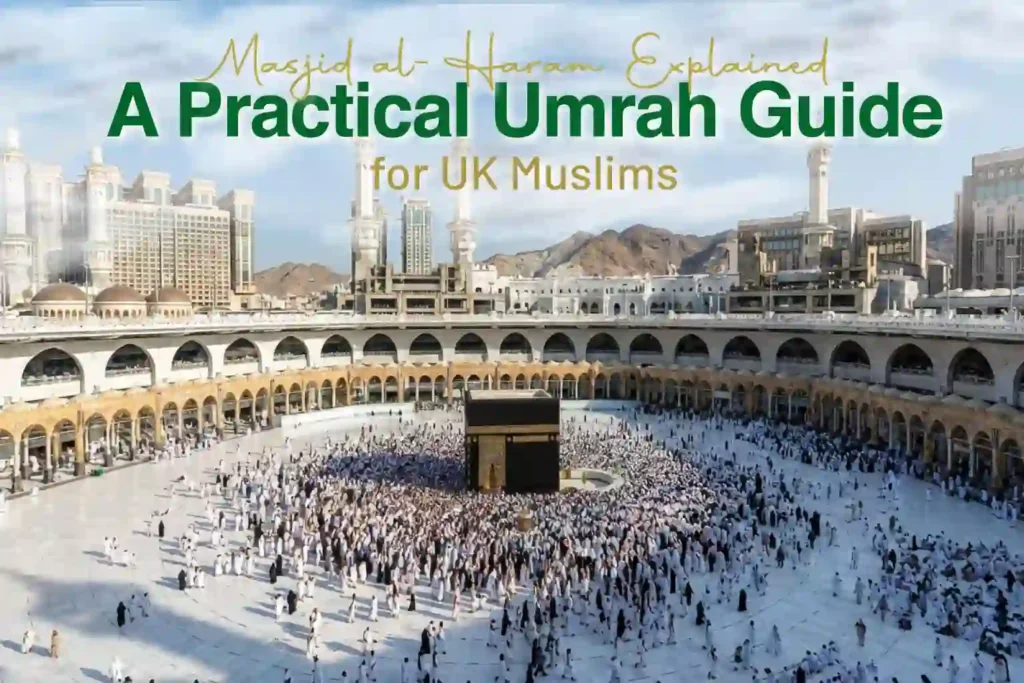
- The Kaaba is the center of the prayers that are offered in the Masjid al Haram.
- The mosque has over 200 gates and the five main entrances are the ones that are used by the majority of the visitors.
- This compound has prayer halls, upper stories, mataf spaces, and special walkways of sai.
- Before arrival, pilgrims tend to seek maps, gate numbers, prayer times and hotels around.
- The Dreamial Umrah compiled this guide based on the checked data and the opinion of the experts.
What Is the Masjid al Haram
The largest mosque in the world and the most sacred place in Islam is the Masjid al-Haram. It is enclosed around Kaaba and it has some holy sites like Maqam Ibrahim, Safa and Marwah, and Zamzam Well. The mosque is 24-hour and has tens of millions of visitors annually. It has been able to serve its current population of over two million worshippers at peak seasons due to its modern growth.Layout of Masjid al Haram
Knowledge of the layout enables the visitors to navigate the mosque without any confusion. The Masjid al Haram comprises of: Main Components- The Mataf
- The Mas’a
- Multiple Prayer Halls
- Gathering Plazas
- Gate Network
- Minarets and Porticos
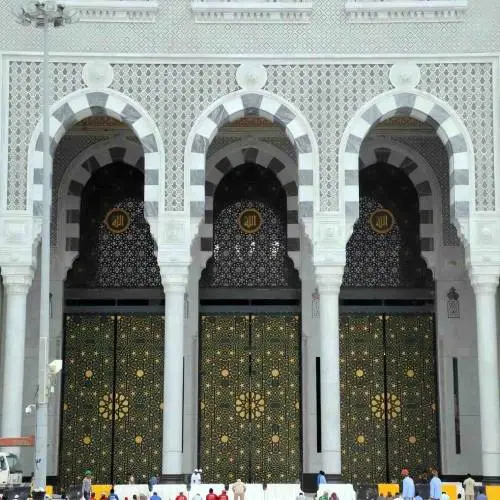
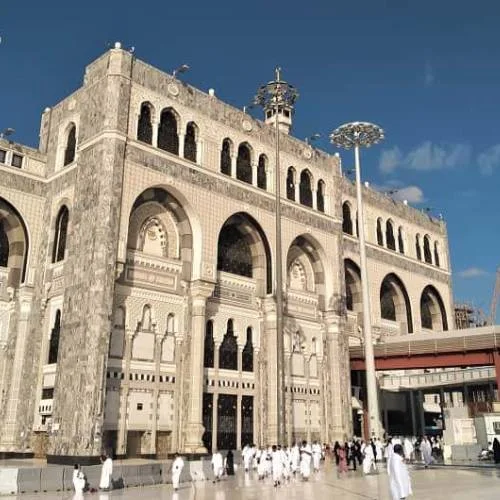
The Five Main Gates of Masjid al Haram
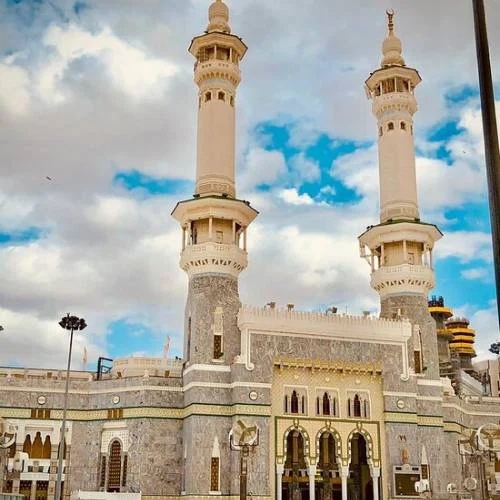
The mosque has hundreds of entrances, but the five gates discussed below are the most commonly used and easy to identify.1. King Abdulaziz Gate
This is the most conspicuous entrance to the main road. It is a meeting point to many pilgrims due to its broad staircase and closeness to the mataf.2. King Fahad Gate
This gate is adjacent to the large hotel complexes and is easy to access by those who are staying in the central area.3. Marwah Gate
It is located close to the end of the sai pathway, which is frequented by pilgrims who come to perform Umrah.4. Bab Umrah Gate
Visited by groups that come directly to rituals. It gives easy access to tawaf as well as sai.5. King Abdullah Expansion Gate
This is a part of the latest increase, and the result of the gate is great modern prayer halls with better facilities.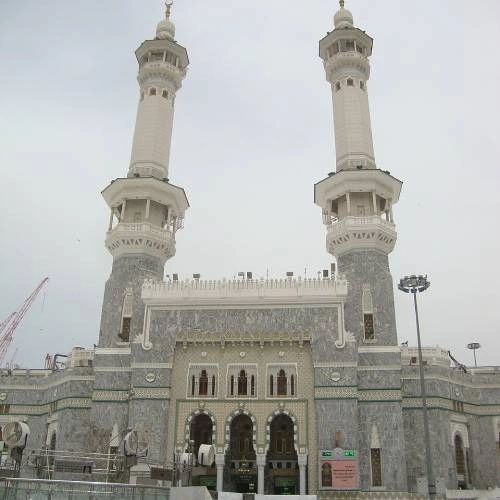
Understanding Gate Numbers and Navigation
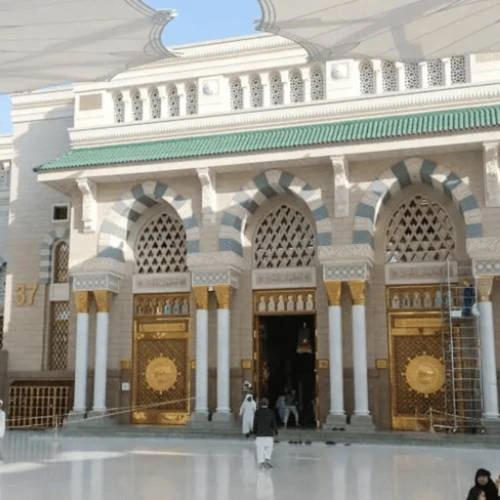
Pilgrims usually have problems locating their way in the mosque. The gates are well numbered and the numbering system is sequential as per the expansion stages. As an illustration, Gate 79 is in the new north wing.
How To Use the Gate System
- Record your entry gate so that you do not get lost on the way out.
- Adhere to floor signs in colors.
- External orientation points are minarets.
- Search bilingual Arabic and English signs all over the mosque.
Prayer Times at Masjid al Haram
The Makkah prayer times are based on the local astronomical calculations and might vary a few minutes across the year. The current times should be checked by the visitors on the reliable sources like the Saudi Ministry of Islamic Affairs. Pilgrims can hear every call to prayer as loudspeakers are spread all over the city.
Typical Prayer Times (Approximate Ranges)
| Prayer | Time Range |
| Fajr | 5:00–5:30 AM |
| Dhuhr | 12:15–12:30 PM |
| Asr | 3:15–3:45 PM |
| Maghrib | At sunset |
| Isha | 7:00–7:30 PM |
Actual times depend on the daily calendar.
Historical Background of Masjid al Haram
The Masjid al Haram has expanded in size since the beginning of the prophet Ibrahim whose boundaries were made of stone. Throughout centuries, the mosque developed in a number of significant expansions in the hands of different Muslim rulers. The greatest change was experienced in the modern Saudi period, particularly under King Fahd and King Abdullah.
Key Historical Points
- The initial design was an open building.
- The earliest minarets were the Abbasid ones.
- The Mataf was extended a number of times to hold larger audiences.
- The recent advancement in technology involves climate control, sliding roofs and smart crowd system.
How To Perform Umrah Inside Masjid al Haram
To be able to do all rituals without any problems within Masjid al Haram, a step-by-step guide on how to perform Umrah should be provided to the first-time visitors. This section offers a realist description to the first time pilgrims.
1. Go to the Mosque With Intention.
Ihram pilgrims begin reciting the Talbiyah until they can see the Kaaba.
2. Tawaf (Seven Circuit around the Kaaba)
Go around Kaaba in an anti-clockwise direction starting at the line of Black Stone. Keep a good pace and watch pilgrims around.
3. Two Rak’ah at Maqam Ibrahim
In case the place is congested, a pilgrim can pray anywhere in the mosque.
4. Drink Zamzam Water
The mosque has Zamzam stations all over.
5. Sa’i Between Safa and Marwah
The seven laps are located within the Mas’a. The fast-walking area is indicated by green lighting.
6. Halq or Taqsir
Men either trim or shave the hair. Women cut a small part of the ends.
Maps of Masjid al Haram
One of the key search requirements is maps. The downloadable or printable maps of the gates, floors, and ritual pathways are also sought after by the pilgrims. There are a number of maps that can be found with the help of official government sources and mobile applications.
Sources of Maps that are recommended.
- The Nusuk App, which is sponsored by Saudi authorities.
- The Haramain Navigation System is a GPS based system.
Facilities and Services Inside Masjid al Haram
The mosque has well-structured services to assist the visitors.
Essential Facilities
- Ablution areas
- Wheelchair stations
- Elevators and escalators
- Zamzam water distribution
- Lost and found center
- First aid clinics
- Shoe racks and temporary stores.
People with disabilities have their own way and specially trained staff at the entrance points.
Hotels Near Masjid al Haram
The majority of visitors seek accommodation which would require them to walk less distance to the mosque. The environment around the mosque is a central area, and it has a range of hotels that can accommodate pilgrims that opt to use the Premium Umrah package.
Key Hotel Zones
- Ajyad Road area
- King Fahad Road cluster
- Ibrahim Khalil Road hotels
- Northern expansion district more recent.
The most convenient hotels to pilgrims who have booked the 4-Star Umrah package would be those located in the 300 to 500 meters of Masjid al Haram. Visiting pilgrims under The Dreamial Umrah are offered select hotel packages based on their location, reliability, and service quality.
Practical Tips for First-Time Visitors
- Bring a small light prayer mat.
- Repeat your entrance gate and start tawaf.
- Rent wheelchairs through official means.
- Adhere to the staff direction during the peak times.
- Keep hydrated on rituals.
- Do not keep costly goods in shoe racks.
These will ease the tension and enhance the process of your Umrah.
Common Questions Answered
Is Masjid al Haram open 24 hours
Yes. The cleaning of certain areas is occasionally closed down.
Which gate is best for tawaf
Access to King Abdulaziz Gate is the favorite of most pilgrims.
Where is the Zamzam Water Area
Various points of distribution are installed in every floor.
Can elderly pilgrims access the roof
Yes. There are upper-level prayer areas, which are connected by elevators and ramps.
How long does sa’i take
The average visitor takes 30 to 50 minutes to do it based on the speed.
Conclusion
The Masjid al Haram is an outstanding worshiping site whose construction is meant to accommodate millions of pilgrims. Knowledge of its gates, routes, amenities, and processes enables the visitors to carry out their rituals clearly and calmly. The Dreamial Umrah prepared this guide to provide accurate, trusted and feasible information to all who intend to visit the holy mosque. The above details give you a clear background whether you are planning to go on Umrah or you are researching about the architecture of the architecture.
FAQS
Frequently Asked Questions
The top 5 gates are King Abdulaziz, King Fahad, Marwah, Umrah and King Abdullah Expansion Gate.
Numbers and multilingual signs are used to direct traffic. It can be helped by volunteers and official staff.
Yes, via the Nusuk app and the official Saudi websites.
The access is fast in most of the hotels in the Ajyad Road, Ibrahim Khalil Road and the northern district.
Prayer sessions are offered by the Saudi Ministry of Islamic Affairs and credible applications.

